

Abdul El-Sayed: Why Racism Doesn't Buy High-Profile Elections
By Eric Nielson
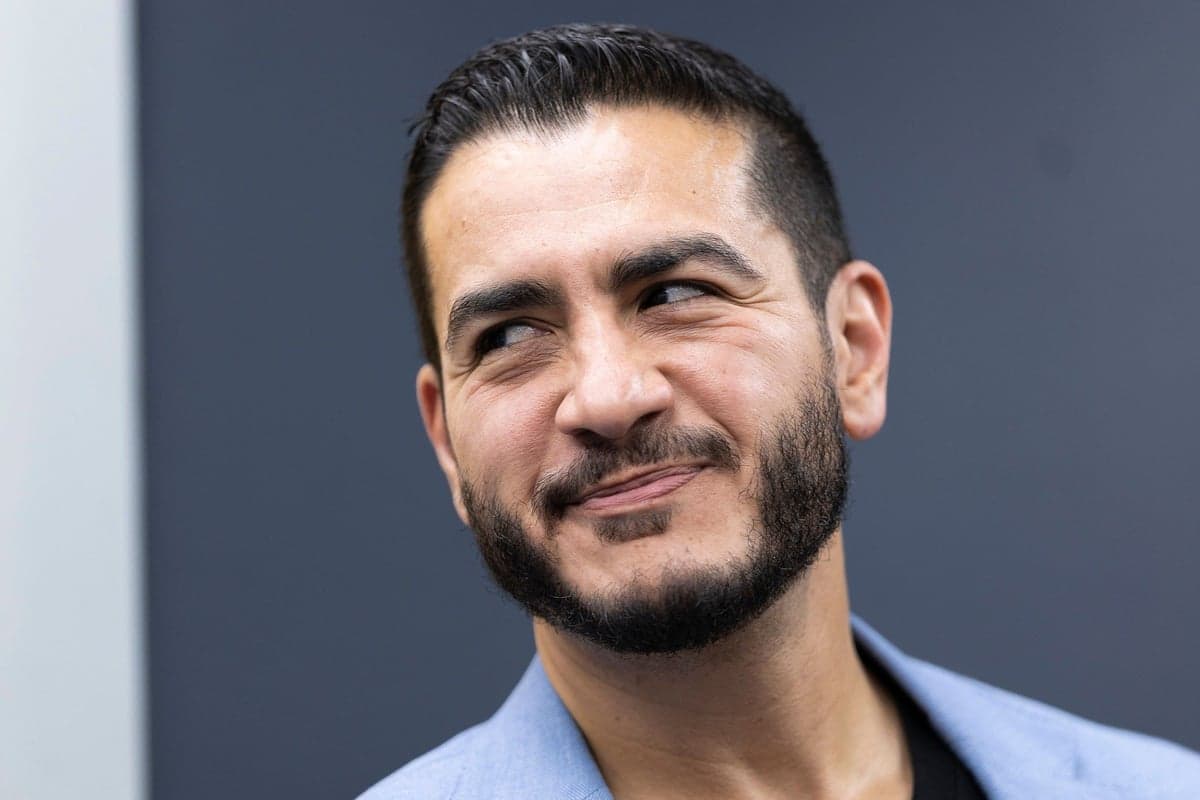
Last night, Michigan elected Abdul El-Sayed to the U.S. Senate. He will be the first Muslim American ever to serve there. He won after the President of the United States called him a jihadist, after tens of millions of dollars were spent to stop him, and after a fellow Democrat endorsed his Republican opponent two days before the vote.
I followed this race closely from Casablanca, where I live surrounded by Muslim neighbors, colleagues and friends. What it showed is that in a race this visible, racism and money simply don't work.
The Playbook
The Republican campaign against El-Sayed did not bother with subtlety. At a rally in Port Huron in late October, Donald Trump called him a "jihadist" and a member of the Muslim Brotherhood, claimed he wanted to impose Islamic law in America, and joked that he would need to pass through a metal detector to enter the Senate. He leaned on El-Sayed's middle name, Mohamed, the way a bully leans on a nickname. Mike Rogers, the Republican nominee, kept a little more distance from the language, but he also accused El-Sayed of ties to the Muslim Brotherhood. There is no evidence of any such thing.
None of this was about policy. El-Sayed is a physician and epidemiologist who ran Detroit's health department. The attack was simply that he is Muslim, and that Muslims are dangerous.
The Money
Then there was the money. AIPAC's super PAC spent more than $30 million in the Democratic primary to stop El-Sayed, and when that failed, it kept spending against him in the general election.
Thirty million dollars is a staggering amount to spend on a single primary. It tells you how much a candidate who is willing to criticize Israel's genocide in Gaza frightens the people who have spent decades making sure that no serious candidate does.
The Strategy Behind It
What strikes me most is that the anti-Muslim campaign wasn't improvised. It was a strategy, and we know a fair amount about where it comes from.
In September 2025, Drop Site News reported on a leaked study that Israel's Foreign Ministry had commissioned from the marketing firm Stagwell. It surveyed audiences in the United States and Europe and tested which messages could repair Israel's image during the war on Gaza. Defending Israel's actions did little to win people over. Warning them about "radical Islam" was among the most effective messages tested.
Read that again. The research concluded that it was easier to make people afraid of Muslims than to convince them the killing in Gaza was justified. And that is exactly the campaign Michigan just saw: very little about what El-Sayed actually stands for, and a great deal about his religion.
The Last-Minute Betrayal
The final blow came from inside his own party. Haley Stevens, the congresswoman El-Sayed beat in the August primary, had endorsed him afterward. Then, two days before the election, she endorsed Mike Rogers. Her stated reason was an ad by an outside group that she called antisemitic, after which El-Sayed's campaign told her she was no longer welcome at its events. Rogers called her that same night. Chuck Schumer, hardly a radical, called her decision a betrayal.
A sitting Democratic member of Congress endorsing the Republican in a Senate race that could decide control of the chamber is almost unheard of. It was meant to be the last push that tipped the race. It wasn't. El-Sayed's campaign reported a record fundraising haul in the days that followed.
Why It Backfired
In a quiet, low-turnout race, money and fear can do a lot of damage. Few people are paying attention, and the side with the most advertising often gets to define the candidates. A Senate race in Michigan with national control on the line is not that kind of race. Everyone was watching.
And when everyone is watching, there are still enough Americans with a real understanding of the world. They know you cannot make blanket statements about nearly two billion people and be taken seriously. They know Muslim doctors, teachers, coworkers and neighbors. They can tell the difference between a policy argument and a smear. Trump's rhetoric didn't persuade them; it reminded them what they were voting against.
That is the lesson I take from this race. Hate is loud, and it is well funded, but a majority of Americans still don't vote based on it.
The Path Forward
Democrats should study this race closely, because it points to their future.
El-Sayed did not win by sounding like the party establishment. He ran openly as a progressive, built his career around Medicare for All, and refused to be quiet about Gaza. The party spent years treating those positions as liabilities. In Michigan, they turned out to be the reason people showed up.
The country is also changing underneath both parties. Every election, more Millennials and Gen Z voters enter the electorate, and more Boomers leave it. These younger Americans grew up with crushing student debt, unaffordable housing and health care tied to their jobs. They have watched public systems be hollowed out and sold off for private profit, and they have watched both parties take money from the people doing it. They are far more critical of Israel's government than their parents, and far less moved by fear of people who don't look like them.
Progressive policies that fight corruption and protect public goods will only become more popular as that shift continues. The Democrats who understand this will win. The ones who keep taking AIPAC money and backing away from their own voters will keep losing ground, whether or not they win their next race.
Abdul El-Sayed's victory is not just a historic first. It is proof that the politics of fear has a ceiling, and that a candidate who tells the truth can break through it.
Eric Nielson is the founder of Nielson English and an editor and translator at TelQuel English.